Homer
Ancient Greek Poet
"Welcome, traveller. Come, let us offer you our hospitality; once you have satisfied your hunger, you may tell us the reason for your visit."
The Odyssey



Your Greece
Handpicked for you: unforgettable experiences every season
Ancient Greek Poet
"Welcome, traveller. Come, let us offer you our hospitality; once you have satisfied your hunger, you may tell us the reason for your visit."
The Odyssey
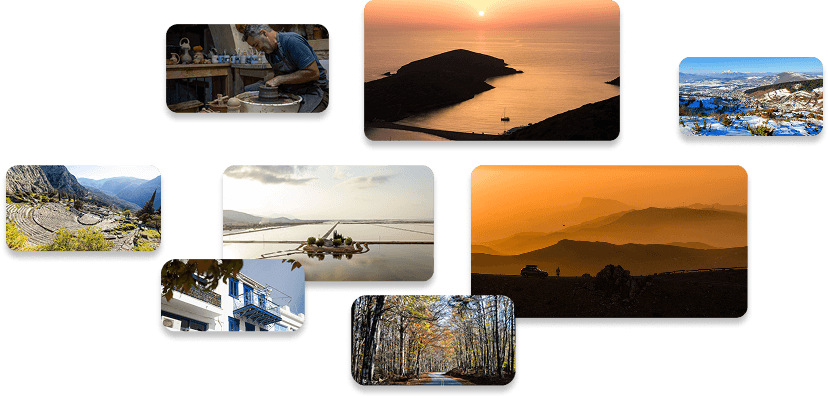
Every traveller is unique, and so is their journey.
Don't miss a beat – explore events happening 365 days a year

Exhibitions
21/06/2025 - 30/11/2026
Santorini (Thera)

Exhibitions
20/03/2026 - 31/08/2026
Athens
Exhibitions
25/03/2026 - 31/10/2026
Hydra

Dance
28/05/2026 - 19/09/2026
Athens

Festival
15/06/2026 - 25/07/2026
Athens
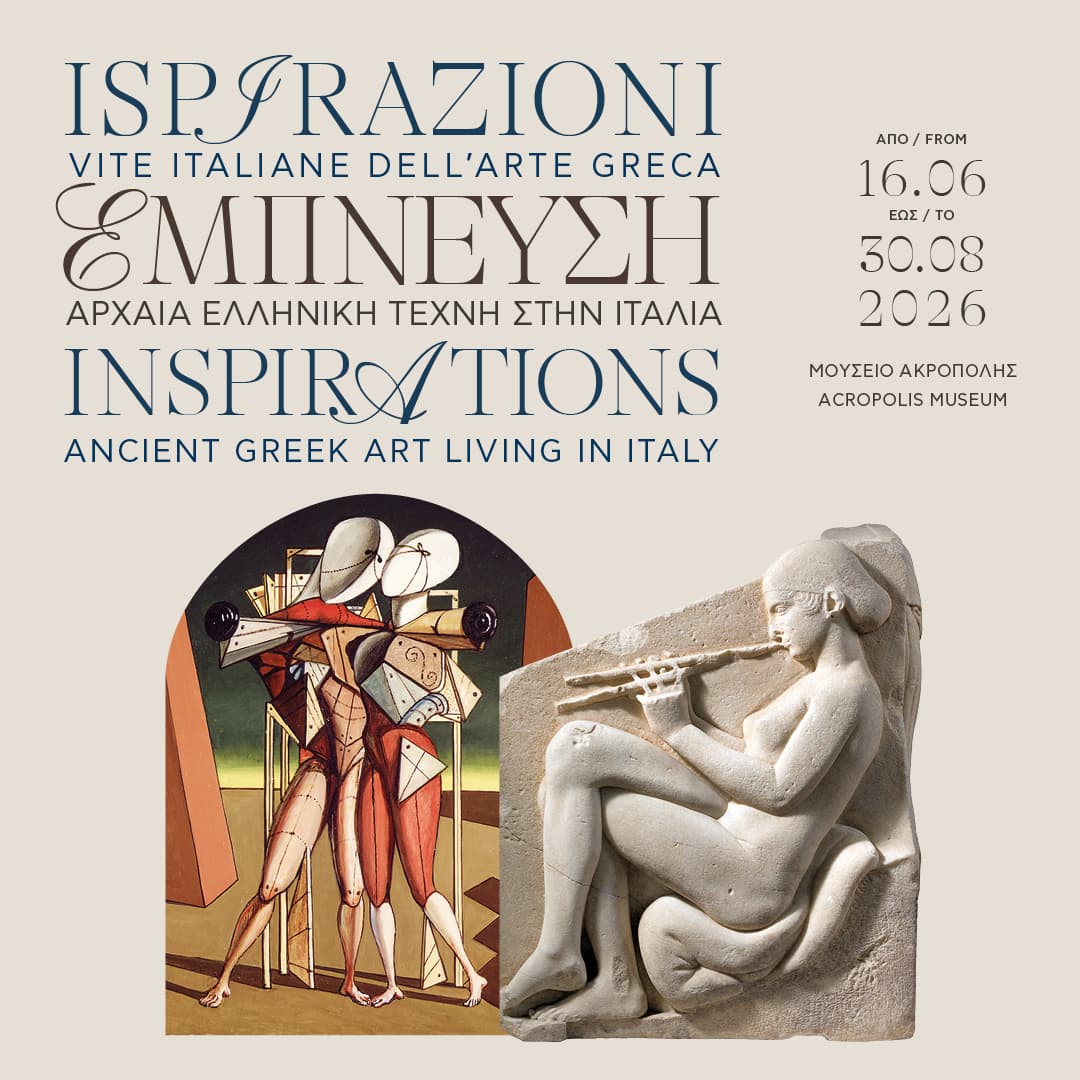
Exhibitions
16/06/2026 - 30/08/2026
Athens

Festival
20/06/2026 - 29/08/2026
Epidavros
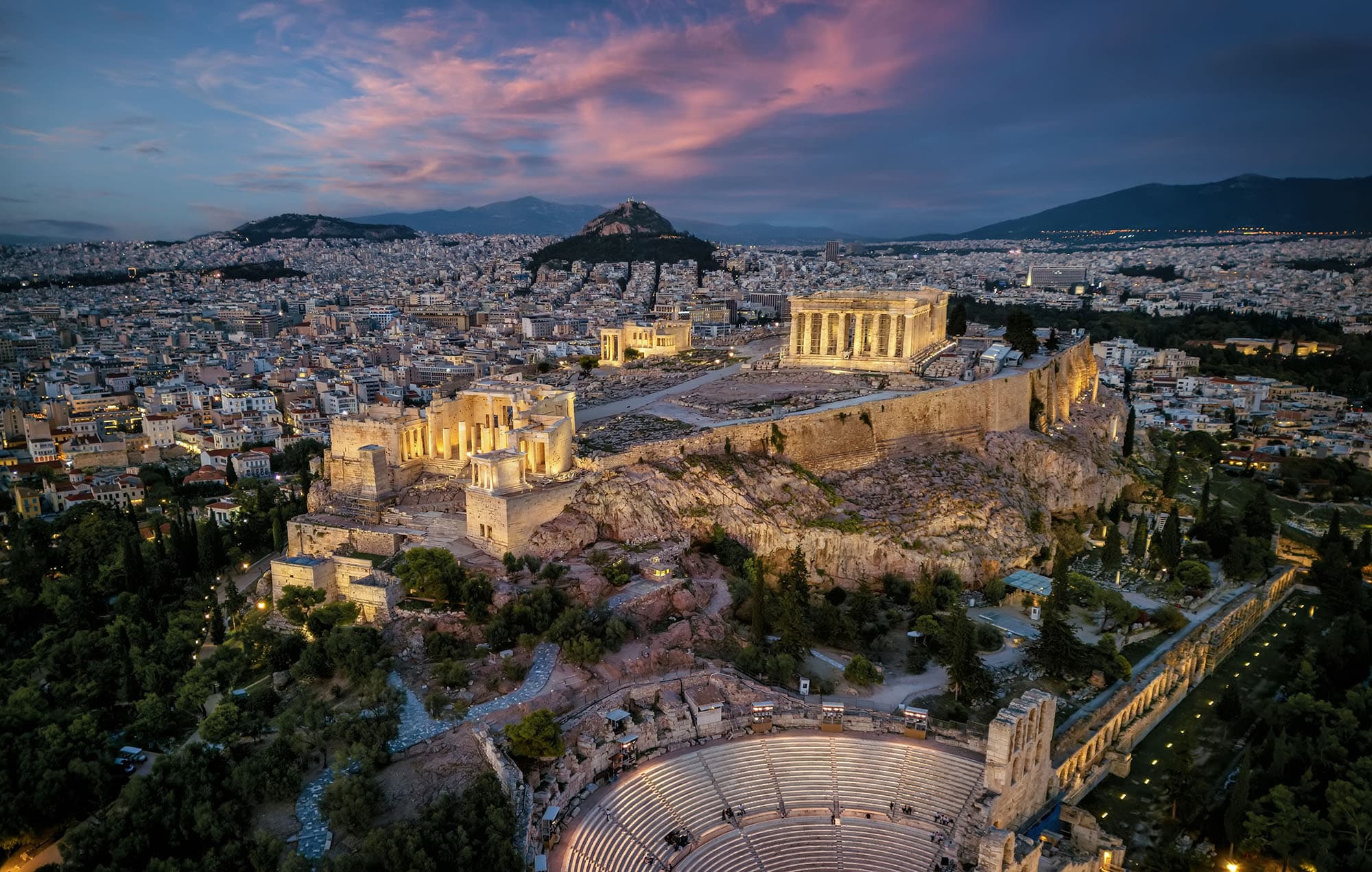
Sports
11/07/2026 - 19/07/2026
Athens

Sports
17/07/2026 - 19/07/2026
Zagori

Music
18/07/2026 - 18/07/2026
Halkidiki
Festival
23/07/2026 - 26/07/2026
Rethymno

Festival
11/07/2026 - 15/08/2026
Halkidiki

Music
18/07/2026 - 18/07/2026
Halkidiki
"It takes a lifetime to discover Greece, but it only takes an instant to fall in love with her."




Discover premier venues and world-class hospitality tailored for your next corporate event.
Choose the perfect backdrop for your story.
View allThe moonlit magic of Greece’s open-air cinemasNothing quite tugs at the heartstrings like the nostalgia for those long, carefree childhood summers. For Greeks across generations, this evokes memories of family days at the beach, thick slices of juicy waterm...
Read More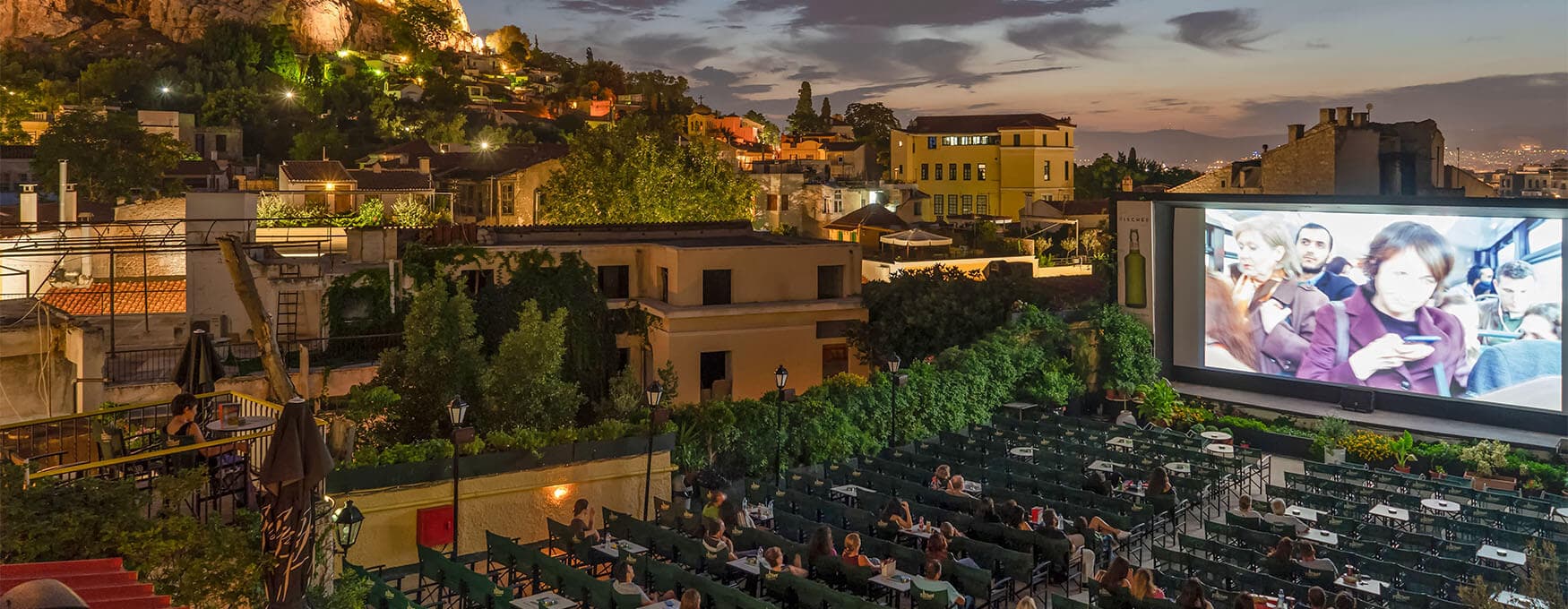
Reflecting changes in the tastes and lifestyles of Greeks, the Greek taverna is a timeless institution that has evolved over the centuries. It is not merely a place to eat but a sanctuary of flavours, a journey into the warmth of Greek hospitality, and a se...
Read More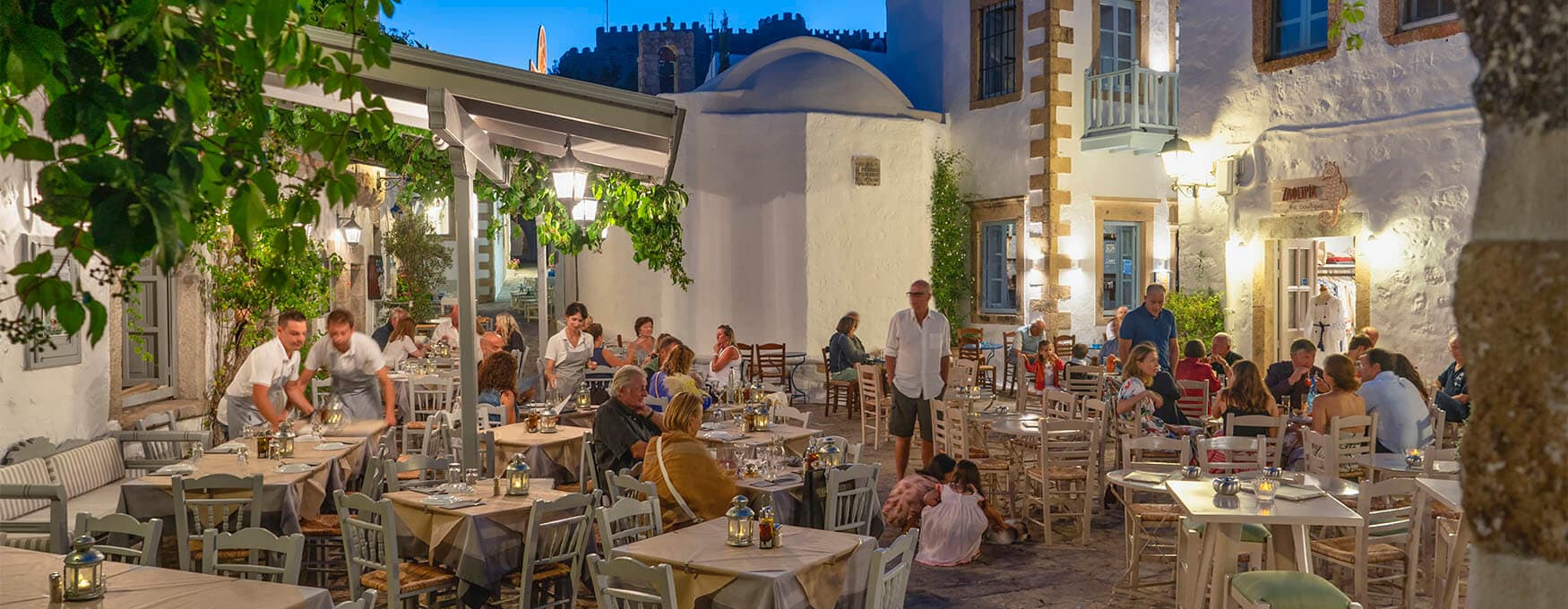
Share your best moments in GreeceTag your photos with #VisitGreece to get featured.


Greek Poet & Nobel Laureate in Literature
"You lands and seas, the vineyards and the golden olives, hear my tidings in the heart of my high noons: 'Of all the places I roam, it is only this one I love!'"
The Sovereign Sun
Everything you need for a seamless journey
Shared stories and expert insights to inspire your next journey.
View AllThematic routes through the unseen side of Greece Routes that Tell Stories & Secrets